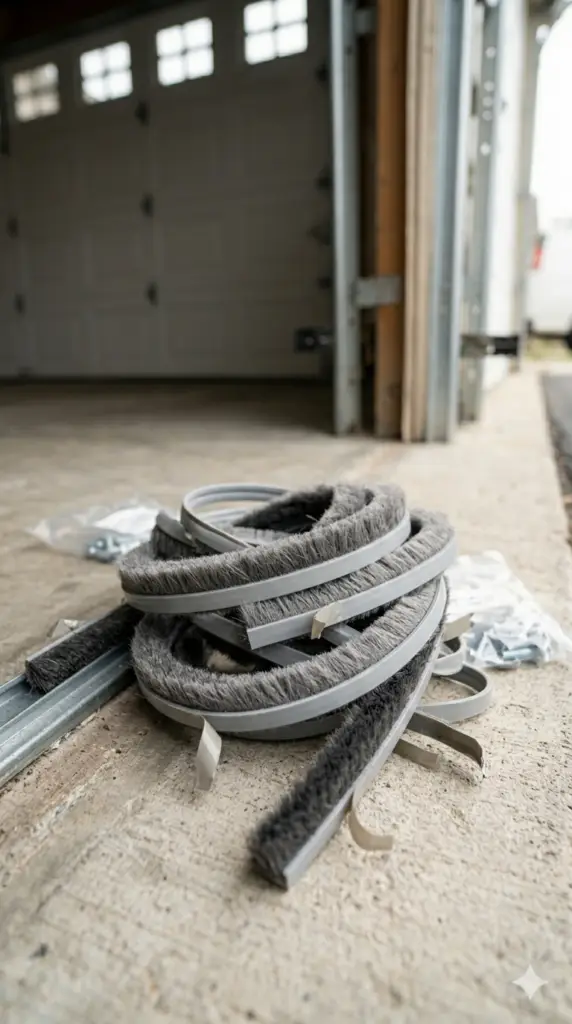
Pile Weatherstripping
Without Making Windows or Doors Hard to Move
Sliding windows, patio doors, storm doors, and commercial openings need a seal that can close the gap without fighting the movement of the sash or panel. A profile that is too tall can drag. A profile that is too short can still let air, dust, and moisture through.
That is why pile weatherstripping has to be matched to the opening, not guessed. The pile height, backing width, fin style, density, and mounting channel all affect how well the seal performs once the window or door is in use.
Whether you need pile weatherstripping for windows, sliding doors, frame corners, or commercial openings, we can help you choose or develop a profile that seals properly while still allowing smooth operation.
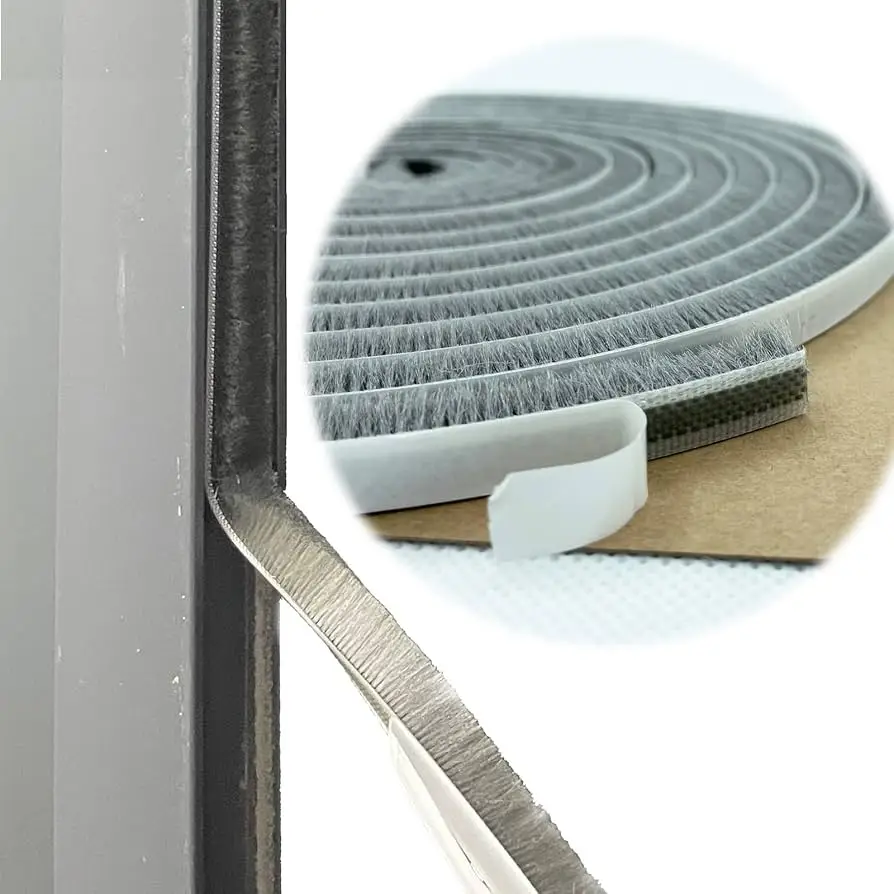
Pile Seals Made for Windows, Doors, Tracks, and Dust Control
Not every opening needs the same kind of pile seal. Some need a center fin for added barrier protection. Others need a softer brush-style pile for smoother movement. Some areas only need small adhesive dust pads to close the gaps regular weatherstripping cannot reach.
Techno Rubber Industries manufactures pile weatherstripping and related sealing products for applications where air, dust, moisture, and movement all need to be considered.
Pile Weatherstripping
With Fin
Pile Weatherstripping
Without Fin
Pile Weatherstripping
for Windows
Wool Pile Weatherstripping
Adhesive Dust Pads
Custom Pile
Weatherstrip Profiles

The Right Pile Seal Starts With the Right Construction
Pile weatherstripping has to do more than fill a narrow space. It needs to stay seated in the channel, make enough contact to seal the gap, and still allow the window or door to move the way it should.
We manufacture pile weatherstrip products based on the movement, gap size, mounting style, and sealing level your application needs.
Pile With Fin: Best for applications that need extra air, water, dust, and moisture control through a flexible barrier inside the pile.
Pile Without Fin: A better option for soft contact, low friction, and general dust control in sliding or moving systems.
High-Density Pile:Helps improve gap coverage where the opening needs a fuller brush-style seal for better filtration.
Polypropylene Backing: A practical backing option for pile weatherstrip profiles that need to slide into a channel and stay properly seated during use.
Adhesive Dust Pads: Useful for frame corners, small air paths, and areas where regular weatherstripping does not fully close the gap.
Made for Sliding, Moving, and High-Contact Sealing Points
Pile weatherstripping is often used where the seal needs to brush, glide, or sit against a moving surface. Instead of creating a hard compression stop, it helps close small gaps while letting the window or door operate smoothly.
Common applications include:
- Sliding windows
- Sliding patio doors
- Storm windows
- Storm doors
- Window tracks
- Door channels
- Commercial door frames
- Storefront systems
- Fenestration systems
- Dust pad sealing points
- Frame corners and small air gaps
Your Pile Weatherstrip Should Seal the Gap Without
Creating New Problems
A pile seal that is too tall can make the window or door drag. A backing that is too narrow may not stay seated. A strip without the right fin, density, or fit may still let air, dust, or moisture pass through.
That is why we review the details before production begins, so your pile weatherstripping is made around the way it needs to fit, move, seal, and perform.
U.S. Based Manufacturing: Your pile weatherstripping is manufactured domestically, giving you clearer communication, better production control, and more consistent quality from order to shipment.
Low Minimum Orders: Start a custom pile profile, test a new strip, or order a specialty part without committing to a large first run, so you can get the right seal without overextending your budget.
Fast Quote and Shipping Support: In-stock items ship quickly, and custom quote requests are reviewed within 1 business day, so your project can keep moving without long waiting periods.
Technical Help Before Production: Our team can review your sample, drawing, pile height, backing width, fin preference, and application requirements before the profile is made, so you are not left guessing on fit or material choice.
Custom Capabilities Under One Roof: Pile weatherstripping, dust pads, extrusion support, die design, tooling, and profile engineering are handled in-house, so you get better control from design to production.

Need Custom Pile Weatherstripping?
Schedule Your
Free Estimate Now
Our Simple Quote Process
Submit Your Request
We Review the Details
Approve and We Manufacture
FAQs About Rubber Weatherstripping
What is pile stripping?
Pile stripping is another way people refer to pile weatherstripping. It is a brush-style seal used around windows, doors, sliding panels, tracks, and frame gaps to help block air, dust, and light moisture.
Unlike a hard rubber compression seal, pile weatherstripping uses dense fibers to close small gaps while still allowing the window or door to move smoothly. If you are trying to replace an old fuzzy strip or need a custom pile profile for a window or door system, our team can help you match the size, backing, and pile height you need.
What type of weatherstripping is best?
The best weatherstripping depends on how the opening moves and what it needs to seal against. Compression seals are often used where a door or panel closes tightly against a frame. Pile weatherstripping is a better fit for sliding or moving systems because it can reduce air, dust, and moisture without making the window or door hard to operate.
For sliding windows, patio doors, tracks, and frame gaps, we often recommend reviewing the pile height, backing width, and whether the application needs a center fin. If you are not sure which one fits your project, send us the details and we can help point you in the right direction.
What is the most durable pile weather stripping?
The most durable pile weather stripping is the one that fits the channel properly and matches the way the window or door moves. A strip that is too tall can drag. One that is too short may not seal. A backing that is too loose may shift out of place.
For added protection, pile weatherstripping with a center fin can help improve resistance against air, dust, and moisture. For smoother movement, non-fin pile may be the better option. At Techno Rubber Industries, we can help review your sample, drawing, or measurements so the pile seal is made around the actual application.
Is pile weatherstripping expensive?
Pile weatherstripping is usually a cost-effective way to improve sealing around windows, doors, and sliding systems. The cost depends on the pile height, backing width, fin style, quantity, and whether you need a standard or custom profile.
The bigger cost often comes from using the wrong seal. Poor fit can lead to air leaks, dust intrusion, moisture issues, or windows and doors that do not move properly. If you need pricing for a specific pile profile, send us your details and we can provide a quote based on the exact part you need.
What is wool pile weatherstripping?
Wool pile weatherstripping usually refers to the fuzzy, brush-style weatherstrip used around windows, doors, and sliding systems. It helps close narrow gaps while allowing moving parts to glide more easily than they would with a stiff compression seal.
This type of weatherstripping is often used in window tracks, sliding doors, patio doors, storm doors, and other areas where you need dust, draft, and light moisture control without adding too much friction.
Is pile weatherstripping good for windows?
Yes. Pile weatherstripping for windows is commonly used around sliding windows, sash gaps, tracks, and frame openings. It helps reduce air leaks, dust movement, and light moisture intrusion while allowing the window to open and close smoothly.
The key is getting the right size. The backing needs to fit the channel, and the pile height needs to close the gap without making the window drag. If you have an existing sample, we can help review it and recommend the right replacement or custom profile.
What is the difference between pile weatherstripping with fin and without fin?