
Not all weather stripping is the same, and choosing the wrong type for your door can mean replacing it again within a season. Whether you are sealing a residential entry door, a commercial storefront, or a high-traffic industrial door, the material and profile you select directly affect how well the seal performs and how long it lasts.
This guide covers the main types of door weather stripping available, what each one is made of, where it works best, and how to choose the right option for your specific application.
What Is Weather Stripping?
Weather stripping is a flexible sealing material installed around the perimeter of a door to close the gap between the door and its frame. It prevents outside air, water, dust, insects, and noise from passing through those gaps when the door is closed.
Every exterior door has four edges that need sealing: the top, both vertical sides (the hinge jamb and the latch jamb), and the bottom. Different types of weather stripping are commonly used on different parts of the door depending on the size of the gap, the amount of wear expected, and the performance requirements of the application.
A well-sealed door reduces heating and cooling energy loss, protects the interior from moisture damage, and improves occupant comfort. For commercial buildings and manufacturers, it also helps meet energy codes and product performance standards.
Types Of Door Weather Stripping
1. Foam Tape
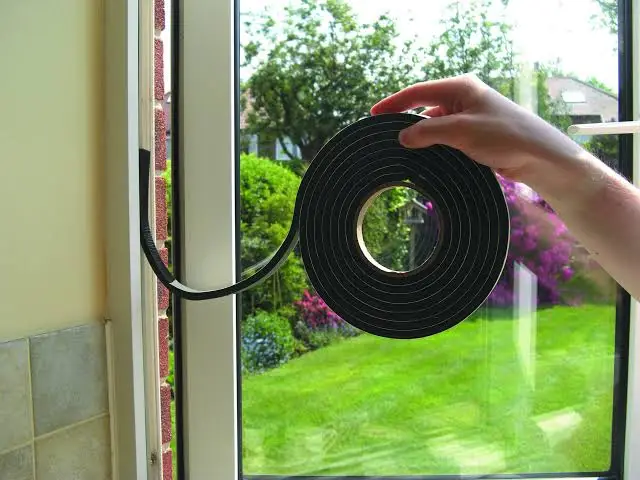
Foam tape is the most widely available and least expensive type of door weather stripping. It comes in rolls with a self-adhesive backing and is typically made from open-cell or closed-cell polyurethane or polyethylene foam.
How it works: The foam compresses when the door closes to fill the gap between the door and the frame. Open-cell foam is softer and more compressible; closed-cell foam is denser and more resistant to moisture.
Best for: Interior doors, low-traffic applications, and temporary repairs where quick installation matters more than longevity.
Limitations: Foam tape degrades relatively quickly under UV exposure, heat, and repeated compression. On exterior doors in direct sunlight, it may last only one to two seasons before losing its shape and sealing ability. It also does not perform well in gaps that vary significantly in width.
2. V-Strip (Tension Seal)
V-strip weather stripping, also called tension seal, is a long folded strip of plastic (usually vinyl) or thin metal (often aluminum or stainless steel) shaped like the letter V. It springs open to create a seal against the door face.
How it works: The V-strip is inserted into the gap between the door stop and the door edge along the sides and top of the frame. When the door closes, the open edge of the V presses against the door surface, creating a seal by spring tension.
Best for: The latch side and hinge side of doors with a consistent, moderate gap. It is particularly effective on older doors where the gap is somewhat narrow and even.
Limitations: V-strip does not work well on doors with irregular or very large gaps. Metal V-strip is more durable than vinyl and better suited for exterior applications with weather exposure.
3. Rubber Weather Stripping
Rubber weather stripping covers a broad category of sealing profiles made from natural rubber or synthetic rubber compounds. The most common types used for doors include EPDM, neoprene, and silicone rubber, each with distinct properties suited to different conditions.
Rubber profiles are significantly more durable than foam or vinyl alternatives. They hold their shape under repeated compression, resist cracking from temperature cycling, and maintain effective seals for years rather than seasons.
Best for: Exterior doors, commercial doors, and any application where performance and longevity matter more than initial cost.
4. EPDM Rubber Weather Stripping
EPDM (ethylene propylene diene monomer) is the most widely used rubber material in commercial and industrial weatherstripping. It is a synthetic rubber formulated specifically for outdoor exposure and long-term performance in sealing applications.
Properties that make EPDM the preferred choice for exterior doors:
- Excellent resistance to UV radiation and ozone, which cause other rubbers and plastics to crack and harden over time
- Stable performance across a wide temperature range, typically from well below freezing to above 250 degrees Fahrenheit
- High resistance to water, steam, and moisture
- Good compression set resistance, meaning it returns to its original shape after the door opens rather than staying permanently compressed
- Long service life, often 10 to 20 years or more in outdoor applications
EPDM weather stripping is available in a wide range of profiles including bulb seals, T-slot gaskets, wiper seals, D-profiles, E-profiles, and custom extruded shapes designed to fit specific door systems.
Best for: Exterior residential doors, commercial entry systems, storefront doors, industrial access doors, and any door that requires a high-performance, long-lasting seal. EPDM is also the standard material for door perimeter gaskets in commercial construction.
Techno Rubber Industries manufactures EPDM weatherstripping in a wide range of standard and custom profiles for door and window manufacturers, commercial contractors, and OEM applications across the United States.
5. Silicone Weather Stripping
Silicone rubber offers the widest temperature range of any weatherstripping material, performing reliably from extreme cold to high heat. It is also highly resistant to UV, ozone, and moisture, similar to EPDM, but with a softer feel and greater flexibility at low temperatures.
Best for: Doors in environments with extreme temperature swings, high-temperature industrial applications, and specialty uses such as food processing facilities or cleanrooms where material compatibility is required. Silicone is also used in aquarium sealing and glazing applications.
Limitations: Silicone is generally more expensive than EPDM and is less commonly used in standard door sealing. It does not bond well to many adhesives, so installation typically requires mechanical fastening or carrier extrusions.
6. Neoprene Rubber Weather Stripping
Neoprene (polychloroprene) is a synthetic rubber with good general-purpose weather resistance. It performs well against oils, moderate chemicals, and a reasonable range of temperatures, though it does not match EPDM in UV and ozone resistance over the long term.
Best for: Applications where mild chemical or oil resistance is needed alongside weather sealing, such as doors in light industrial or automotive settings. Neoprene is also used in marine door sealing where some oil and fuel exposure is possible.
Limitations: Neoprene is less UV-stable than EPDM and will harden and crack over time on south-facing or fully sun-exposed doors. For purely outdoor residential or commercial doors, EPDM is typically the better choice.
7. Pile Weatherstripping
Pile weatherstripping consists of a rigid carrier strip with dense rows of upright fiber or polypropylene filaments, resembling a thin brush. The pile fibers flex to fill the gap when the door slides or closes.
How it works: Pile strips are most often installed in sliding door tracks, folding door edges, and window channels rather than on standard hinged doors. The flexible filaments allow the door or window to move while still providing a seal against drafts and dust.
Best for: Sliding doors, folding closet doors, sliding windows, and other applications where a compressible rigid seal would resist or bind the door’s movement. A high-density pile with a center fin provides better draft and moisture resistance than standard pile.
Limitations: Pile weatherstripping is not ideal for exterior hinged doors where water infiltration is a concern, as the filaments do not create a watertight seal.
8. Door Sweeps
A door sweep is not technically a type of weatherstripping material but a complete sealing assembly installed at the bottom of the door to close the gap between the door bottom and the floor or threshold.
Door sweeps are available with rubber, EPDM, silicone, vinyl, or brush sealing elements attached to a rigid aluminum or steel carrier. The choice of sealing material follows the same principles as the types above: rubber and EPDM sweeps outperform vinyl and brush types for exterior doors exposed to weather.
Types of door sweeps:
- Face-mount sweeps: Screw to the interior face of the door; the most common residential type
- Automatic door sweeps: Drop down when the door closes and lift when it opens to avoid dragging on the floor; preferred for commercial and high-traffic doors
- Threshold seals: Built into or mounted on the threshold rather than the door itself; common in commercial applications
Best for: Any exterior door where the bottom gap allows drafts, moisture, insects, or sound to pass through.
9. Door Gaskets and Perimeter Seals
Door gaskets are full-perimeter compression seals most commonly used on commercial and institutional doors. A gasket system typically includes profiles on all four sides of the door, including a specialized bottom seal or threshold, that compress simultaneously when the door closes to create a complete perimeter seal.
These systems are standard in:
- Commercial office buildings and retail storefronts
- Schools, hospitals, and government buildings
- Cold storage and climate-controlled facilities
- Sound-rated and fire-rated door assemblies
- High-performance residential construction
EPDM is the predominant material for commercial door gasket systems because of its combination of durability, compression set resistance, and weather performance. Custom profiles are engineered to fit specific door frames, glass thicknesses, and architectural systems.
Exterior Door Weatherstripping Types: Which Material Lasts Longest?
For exterior doors specifically, material selection is more important than for interior applications because the seal faces sun, rain, temperature swings, and daily mechanical wear simultaneously.
| Material | UV Resistance | Temp Range | Lifespan | Best Application |
| Foam tape | Poor | Narrow | 1 to 2 years | Interior, temporary |
| Vinyl V-strip | Moderate | Moderate | 3 to 5 years | Residential sides and top |
| Neoprene rubber | Moderate | Good | 5 to 10 years | Light industrial, marine |
| Silicone rubber | Excellent | Excellent | 10 to 15 years | Extreme temp, specialty |
| EPDM rubber | Excellent | Excellent | 10 to 20+ years | Exterior, commercial |
For most exterior doors, EPDM rubber weatherstripping provides the best balance of performance, durability, and cost over the life of the installation.
How To Choose The Right Type Of Door Weather Stripping
The right choice depends on four factors:
1. Door type and use. A residential interior door and a commercial storefront entry door have very different performance requirements. Residential doors can work well with foam or vinyl for years; commercial doors benefit from EPDM rubber gasket systems from the start.
2. Gap size and consistency. Measure the gap around your door before buying. Foam and bulb seals work well for larger or irregular gaps. V-strip and thin rubber wiper seals work better in tight, consistent gaps.
3. Climate and sun exposure. In hot, sunny climates or regions with extreme temperature swings, only UV-resistant materials like EPDM or silicone will hold up long-term. Foam and vinyl degrade quickly under direct sun.
4. Budget versus lifecycle cost. Foam tape costs the least upfront but needs replacing most often. EPDM rubber costs more initially but typically does not need replacement for a decade or more, making it the lower-cost option over the life of the door.
Get The Right Weatherstripping For Your Door
Understanding the types of door weather stripping available is the first step toward choosing a seal that actually holds up. For standard residential doors, foam tape or V-strip can be a practical short-term fix. For exterior doors, commercial applications, or any door where performance and longevity matter, EPDM rubber weatherstripping is the material that professionals and manufacturers rely on.
Techno Rubber Industries manufactures commercial-grade EPDM weatherstripping, bulb seals, T-slot gaskets, pile weatherstripping, and custom rubber extrusion profiles for door and window manufacturers, commercial contractors, and OEM customers across the United States. Browse our weatherstripping line or contact our team to find the right profile for your application.
Frequently Asked Questions
What are the main types of door weather stripping? The most common types of door weather stripping are foam tape, V-strip (tension seal), rubber profiles (EPDM, neoprene, silicone), pile weatherstripping, door sweeps, and perimeter door gaskets. Each type suits different door styles, gap sizes, and performance requirements.
What is the best rubber weatherstripping for doors? EPDM rubber is widely considered the best rubber weatherstripping for exterior doors. It resists UV radiation, ozone, and extreme temperatures better than neoprene or natural rubber, and it maintains its sealing performance for 10 to 20 years or more in outdoor applications.
What are the different types of exterior door weatherstripping? Exterior door weatherstripping types include EPDM bulb seals, wiper seals, T-slot gaskets, door sweeps with rubber or EPDM sealing elements, and full-perimeter compression gasket systems. For exterior applications, UV-resistant materials like EPDM or silicone are recommended over foam or standard vinyl.
What is the difference between foam and rubber weather stripping? Foam weather stripping is soft, compressible, and inexpensive, but it degrades quickly under UV exposure and repeated compression. Rubber weather stripping, particularly EPDM, is denser, more resilient, and engineered for long-term outdoor performance. Rubber returns to its original shape after compression, while foam eventually takes a permanent set and loses its sealing ability.
How do I know which type of weatherstripping my door needs? Check the size and consistency of the gap, the location of the door (interior vs. exterior), how much sun exposure it gets, and how often it opens and closes. For exterior residential doors, EPDM rubber or quality vinyl is a good starting point. For commercial or high-traffic doors, a full EPDM gasket system will outperform all other options.
What is weather stripping made of? Weather stripping is made from a variety of materials depending on the type and application. Common materials include polyurethane or polyethylene foam, vinyl (PVC), natural rubber, EPDM synthetic rubber, neoprene, silicone, aluminum, and polypropylene fiber (for pile strips). The material determines the seal’s durability, temperature range, UV resistance, and overall performance life.