
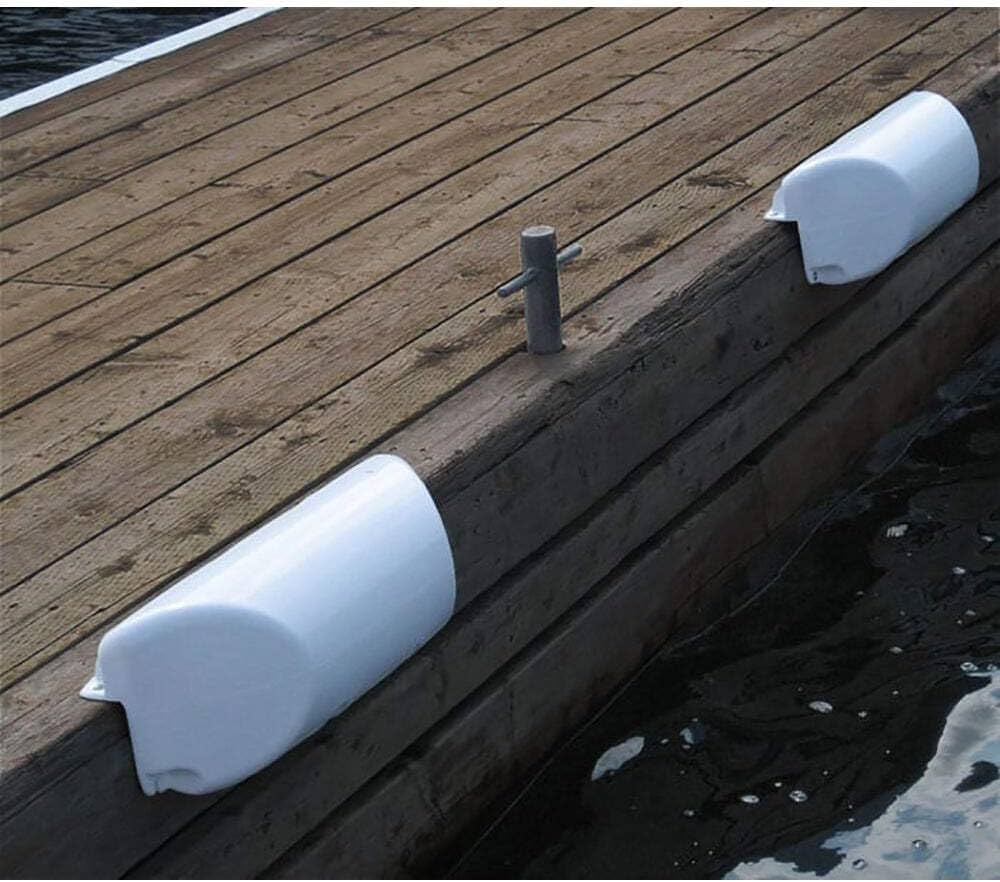
When a vessel weighing hundreds or thousands of tons comes alongside a dock, berth, or another ship, the forces involved are significant. A ship fender is the system that absorbs those forces, protecting both the vessel and the dock structure from damage during berthing, mooring, and cargo operations. Getting the fender selection right is not optional in commercial marine environments, it is an engineering requirement.
This guide explains what ship fenders are, how they work, the main types used in marine and port applications, and how to match the right fender for your ship, dock, or facility.
What Is a Ship Fender?
A ship fender is a protective device installed between a vessel and a dock, pier, quay wall, or another vessel to absorb and dissipate the kinetic energy of impact during berthing and to reduce the friction forces generated when a moored vessel moves against the dock structure due to waves, current, or wind.
Ship fenders serve two simultaneous functions. First, they absorb energy: the fender compresses, deflects, or deforms under the impact load of the vessel, converting kinetic energy into heat or stored elastic energy that is released slowly as the fender returns to its original shape. Second, they stand off: by holding the vessel away from the hard dock face, fenders prevent direct hull-to-structure contact, protecting the hull coating, the hull structure itself, and the dock or quay face.
The term “ship fender” applies across a wide range of scales. The same engineering principles that govern a large pneumatic fender at a commercial container terminal apply to a rubber dock bumper at a marina or a D fender on a residential pier, though the energy levels, materials, and installation complexity differ significantly.
How Ship Fenders Work
A ship fender works by deforming under load to absorb the kinetic energy of a berthing vessel. The performance of a fender is characterized by three key values:
Energy absorption (E): The total amount of kinetic energy the fender can absorb during deflection, typically measured in kilonewton-meters (kN·m) or foot-pounds in larger marine applications. This must equal or exceed the calculated berthing energy of the vessel.
Reaction force (R): The force the fender exerts back on the vessel and the dock structure as it deflects. A fender that absorbs energy efficiently but generates an extremely high reaction force can still damage the hull or overload the dock structure. The reaction force must stay within the allowable limits for the vessel’s hull pressure and the dock’s structural capacity.
Hull pressure (P): The reaction force distributed over the contact area of the fender face, expressed in kilonewtons per square meter (kN/m²). Different vessel types have different allowable hull pressures; naval vessels and tankers have lower allowable pressures than bulk carriers and container ships.
The relationship between these three values, how much energy a fender absorbs, how much force it generates, and over what contact area, is what fender engineers optimize when sizing a fender system for a specific vessel and berth.
Types of Ship Fenders
Rubber Dock Fender Bumpers
Rubber dock fender bumpers are the most common type of fender for smaller vessels, marina applications, and light commercial docks. These are extruded or molded rubber profiles mounted directly to the dock face. The most common profiles include:
D fenders (dock D fenders): Named for their D-shaped cross section, these hollow or solid rubber extrusions mount flat-back to the dock face and present a rounded surface to the vessel hull. They provide continuous protection along the dock face and are available in a wide range of sizes from small residential profiles to larger commercial sections.
Corner dock bumper fenders: Molded rubber profiles designed to protect the outside corners of dock structures, where exposed corners pose a direct impact risk to hulls. Corner fenders work in combination with straight D fenders to ensure there are no unprotected zones in the dock’s perimeter fender coverage.
Flat bumper strips: Solid or hollow rectangular profiles used where a broad, flat bearing surface is preferred over the D fender’s rounded face. Common on commercial loading docks and fuel dock faces.
Dock fender bumpers are typically manufactured from EPDM rubber for outdoor marine applications, providing excellent UV resistance, saltwater resistance, and long service life. Techno Rubber Industries manufactures EPDM dock fender bumpers, D fenders, and corner fender profiles for dock builders, marina operators, and marine contractors.
Best for: Marinas, residential docks, small commercial piers, and any facility handling vessels up to approximately 100 feet where fixed rubber profiles provide sufficient energy absorption.
Cell Fenders
Cell fenders, also called cone fenders or cylindrical fenders, are molded rubber fenders with a hollow conical or cylindrical body. They are bolted to the dock face and compress axially under vessel load, absorbing energy through the elastic deformation of the rubber body.
Cell fenders offer higher energy absorption than flat bumper profiles of similar size and are used at commercial ports, ferry terminals, and industrial facilities handling larger vessels. They are available in multiple sizes and rubber compounds, with EPDM and natural rubber both commonly used depending on the application.
A cell fender system typically includes a facing panel (UHMW polyethylene or steel) that distributes the hull contact load across the fender face and reduces friction between the vessel and the fender.
Best for: Commercial ports, ferry terminals, and industrial docks handling mid-size to large vessels where energy absorption requirements exceed what flat dock bumper profiles can provide.
Arch Fenders
Arch fenders are curved rubber fenders with an arch-shaped cross section that compresses vertically under load. The arch geometry provides a relatively low and consistent reaction force across a broad deflection range, which makes arch fenders suitable for facilities with tidal variation where the vessel’s contact height changes significantly with water level.
Arch fenders are simpler and less expensive than cylindrical or pneumatic fender systems and are widely used at fishing ports, small commercial piers, and ferry wharves.
Best for: Facilities with significant tidal variation, fishing harbors, small ferry wharves, and commercial docks where a simple, lower-cost rubber fender is appropriate.
Pneumatic Fenders
Pneumatic fenders, sometimes called Yokohama fenders, are large inflatable rubber cylinders used for ship-to-ship (STS) transfer operations and as floating fenders at major commercial terminals. They consist of an outer rubber shell reinforced with synthetic tire cord, inflated to a working pressure that gives the fender its energy absorption and reaction force characteristics.
Pneumatic fenders are the standard for offshore oil transfer operations, where two large vessels come alongside each other at sea, and for large commercial terminals where the berthing energy of fully loaded supertankers or bulk carriers is too high for fixed rubber systems to absorb economically.
Best for: Ship-to-ship transfer operations, offshore oil and gas terminals, and major commercial port berths handling the largest vessel classes.
Foam Fenders
Foam fenders are closed-cell foam cylinders or shaped fenders enclosed in a polyurethane or rubber skin. Unlike pneumatic fenders, foam fenders cannot be punctured and lose energy absorption capability. They float naturally without inflation equipment and are virtually maintenance-free.
Foam fenders are used as floating ship-to-ship and ship-to-dock fenders where low maintenance and puncture resistance are priorities. They are common in naval applications, LNG terminals, and remote facilities where pneumatic fender maintenance support is not readily available.
Best for: Naval facilities, LNG terminals, remote port operations, and ship-to-ship transfer where puncture resistance and maintenance-free operation are priorities.
Dock Fender Systems
A dock fender system is a coordinated set of compatible fender profiles, mounting hardware, and corner and transition pieces installed across an entire dock structure to provide complete perimeter protection. Rather than addressing individual contact zones in isolation, a fender system is designed as a whole to ensure consistent protection across all areas where vessel contact can occur.
A complete dock fender system for a commercial or marina application typically includes:
- D fenders or cell fenders along straight dock faces
- Corner fender profiles at all outside corners and dock turns
- Piling bumpers on exposed structural pilings
- Edge and rub rail profiles along the dock top edge
- Compatible mounting hardware sized for the dock substrate
Dock fender systems are the standard approach for new marina construction, commercial dock renovation projects, and any facility where consistent, professional fender coverage is required across multiple slips or berths.
Best for: Marina construction and renovation, commercial dock facilities, ferry terminals, and any application requiring coordinated fender coverage across an entire dock structure.
Fender for Ship: Matching the Fender to the Vessel and Berth
Selecting the right fender for a ship or dock facility involves matching the fender’s energy absorption and reaction force characteristics to the vessel’s berthing energy and the dock’s structural capacity.
For small craft and recreational marinas: Fixed rubber dock fender bumpers (D fenders, corner fenders, piling bumpers) provide adequate protection for vessels up to approximately 100 feet. EPDM rubber profiles sized appropriately for the vessel beam and freeboard are the standard solution.
For small commercial and fishing vessels: Arch fenders or larger D fender profiles handle the higher berthing energies of commercial fishing vessels, workboats, and small ferries. Cell fenders are appropriate where energy absorption requirements are higher or where tidal variation is significant.
For mid-size commercial vessels: Cell fender systems with UHMW facing panels are standard at commercial piers, ferry terminals, and industrial facilities handling vessels in the 100 to 500 foot range.
For large commercial and industrial vessels: Cylindrical rubber fenders, large cell fender systems, or pneumatic fenders are needed at major commercial terminals handling bulk carriers, container ships, and tankers. Fender selection at this scale requires engineering calculations based on vessel displacement, approach velocity, and allowable hull pressure.
For ship-to-ship operations: Pneumatic or foam fenders are used for offshore and at-anchorage ship-to-ship transfer operations where fixed dock fenders are not applicable.
Ship Fender Materials
The material a ship fender is made from determines its performance, service life, and suitability for the marine environment.
EPDM rubber is the standard material for dock-mounted fender bumpers and profiles used in outdoor marine applications. It resists UV radiation, ozone, and saltwater, and maintains its elasticity and energy absorption over long service lives of 10 to 20 years or more. EPDM is specified for D fenders, corner fenders, arch fenders, and custom extruded dock profiles.
Natural rubber is used in many larger commercial fender systems, including cell fenders and cylindrical fenders, where its high resilience and energy absorption characteristics are advantageous. Natural rubber has lower UV and ozone resistance than EPDM and is typically used in protected or submerged installations or with UV-protective coatings.
Neoprene is used in specialty marine fender applications where moderate chemical and oil resistance is required alongside weather performance.
Closed-cell polyethylene foam is the core material in foam fenders, providing buoyancy and energy absorption without inflation equipment.
How to Choose the Right Ship Fender
Step 1: Define the vessel type and size. Identify the largest vessel that will regularly use the facility, including its displacement, beam, and typical approach speed. These parameters determine the berthing energy calculation.
Step 2: Assess the dock geometry. Map all straight faces, corners, pilings, and edges that need fender coverage. Identify any areas of concentrated impact risk such as exposed corners and piling clusters.
Step 3: Determine energy absorption requirements. For recreational and light commercial applications, experienced dock builders and fender manufacturers can recommend appropriate profiles based on typical vessel sizes. For large commercial applications, a formal berthing energy calculation should be performed.
Step 4: Select the fender type and material. Match the fender type to the energy level and installation geometry. Choose EPDM rubber for outdoor dock-mounted fenders; specify natural rubber or pneumatic systems for larger commercial applications.
Step 5: Plan the complete fender system. For any facility beyond a single residential dock slip, plan D fenders, corner fenders, piling bumpers, and edge profiles as a coordinated system to ensure complete perimeter coverage.
Get the Right Fender for Your Ship or Dock Application
The right ship fender starts with understanding the vessel, the dock, and the forces involved. For marina and light commercial dock applications, EPDM rubber dock fender bumpers, D fenders, and corner fender profiles provide reliable, long-lasting protection at the right scale. For larger commercial facilities, fender system design requires matching energy absorption to the berthing requirements of the vessels being handled.
Techno Rubber Industries manufactures EPDM dock fender bumpers, dock D fenders, corner dock bumper fenders, rub rail profiles, and custom rubber marine extrusions for dock builders, marina operators, shipyards, and marine contractors across the United States. Browse our marine fender line or contact our team to find the right fender profile for your vessel and dock application.
Frequently Asked Questions
What is a ship fender?
A ship fender is a protective device installed between a vessel and a dock, quay wall, or another ship to absorb and dissipate the kinetic energy of berthing and reduce friction damage when a moored vessel moves against the dock structure. Ship fenders range from simple rubber dock bumper strips on residential piers to large pneumatic fender systems at commercial port terminals.
What is the difference between a fender for a ship and a boat fender?
A boat fender (also called a boat bumper) is a portable inflatable or foam cylinder hung from the boat’s rail and repositioned for each mooring situation. A ship fender or dock fender bumper is permanently mounted on the dock structure to provide fixed protection at the berth. Commercial ship fenders are engineered to absorb the berthing energy of large vessels rather than simply cushioning minor contact.
What are dock fender bumpers made of?
Dock fender bumpers for outdoor marine applications are most commonly made from EPDM rubber, which resists UV radiation, ozone, and saltwater over long service lives. Larger commercial fender systems may use natural rubber, neoprene, or pneumatic rubber construction depending on the energy absorption requirements and installation conditions.
What is a dock fender system?
A dock fender system is a complete, coordinated set of compatible fender profiles covering all contact zones on a dock structure, including straight dock faces, outside corners, exposed pilings, and dock edges. Dock fender systems are standard for marina construction, commercial dock renovation, and any facility requiring consistent perimeter fender coverage across multiple berths.
How do I choose the right dock D fender size?
Select a D fender profile height large enough to keep the vessel hull and any protruding fittings clear of the dock structure under normal wave action and tidal movement. Larger and heavier vessels require larger-profile D fenders with higher energy absorption. For commercial applications, the profile size should be matched to a berthing energy calculation based on vessel displacement and approach velocity.
What types of ship fenders are used at commercial ports?
Commercial ports handling large vessels use cell fenders, cylindrical rubber fenders, arch fenders, and pneumatic (Yokohama) fenders depending on the vessel size and berthing energy requirements. For ship-to-ship transfer operations offshore, pneumatic or closed-cell foam fenders are standard. Fixed rubber dock fender bumpers are used at smaller commercial facilities, ferry terminals, and marinas.