
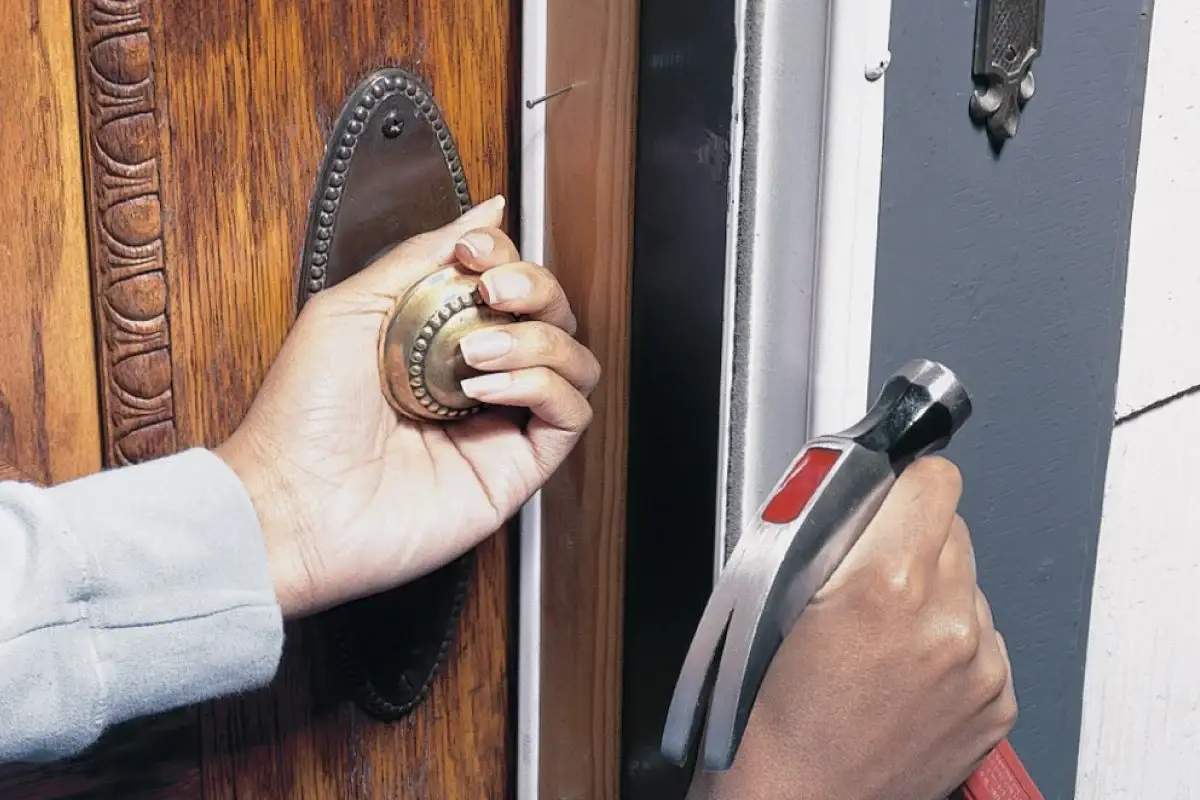
If you feel a draft near your front door or notice your energy bills creeping up, the fix is often simpler than you think. Learning how to apply weather stripping to a door is a straightforward DIY project that takes less than an hour, costs very little, and makes a real difference in comfort and energy efficiency. This guide walks you through everything: the types of weather stripping available, the tools you need, and a clear step-by-step process for getting the job done right.
What Is Door Weather Stripping and Why Does It Matter?
Weather stripping is a flexible sealing material installed around the edges of a door to close the gaps between the door and its frame. These gaps, even small ones, allow outside air, moisture, dust, and insects to enter your home.
A properly sealed door helps you:
- Reduce heating and cooling costs by blocking conditioned air from escaping
- Keep moisture and humidity out, which protects your door frame and interior
- Improve soundproofing against street noise
- Prevent insects and debris from entering around the door edges
The U.S. Department of Energy estimates that air leaks through doors and windows can account for 25 to 30 percent of residential heating and cooling energy use, making this one of the highest-return weatherization upgrades a homeowner can make.
Types of Door Weather Stripping
Before you apply door weather stripping, you need to choose the right type for your door and climate. Different profiles work better for different gaps, door types, and levels of wear.
V-Strip (Tension Seal)
V-strip, also called tension seal, is a folded piece of plastic or metal shaped like the letter V. It springs open to fill the gap between the door and frame along the sides and top. This type is durable, nearly invisible once installed, and well-suited for doors that close tightly with little gap variation.
Foam Tape
Foam tape is the most beginner-friendly option. It comes in rolls with a self-adhesive backing and compresses to fill irregular gaps. It works well on doors with uneven gaps but tends to wear faster than other types and may need replacing every one to two seasons.
Door Sweeps
A door sweep attaches to the bottom of the door and seals the gap between the door bottom and the threshold. It is one of the most important seals on any exterior door since the bottom gap is typically the largest entry point for drafts and insects.
EPDM Rubber Strips and Profiles
EPDM (ethylene propylene diene monomer) rubber is a high-performance sealing material engineered for outdoor exposure. EPDM weather stripping holds up to UV rays, ozone, extreme temperatures, and repeated compression without cracking or losing shape. For commercial buildings, high-traffic doors, or any door that takes serious daily use, EPDM rubber profiles offer significantly longer service life than foam or plastic alternatives.
Techno Rubber Industries manufactures commercial-grade EPDM weatherstripping designed for demanding door and window applications, including custom profiles built to specific dimensional requirements.
Bulb Seal
A bulb seal features a hollow round or oval bulb that compresses when the door closes. It is common on exterior doors, storm doors, and some older wood-framed doors. Bulb seals provide a firm seal and are available in rubber or EPDM formulations for enhanced durability.
Door Gaskets
Door gaskets are compression seals typically used on metal-framed commercial doors and entry systems. They wrap around the door stop and compress fully when the door closes, creating a tight perimeter seal. These are standard in commercial construction where energy codes and weather performance requirements are more demanding.
Tools and Materials You Will Need
Gather everything before you start so the installation goes smoothly.
- Measuring tape
- Utility knife or scissors
- Cleaning rags and rubbing alcohol or a mild household cleaner
- Screwdriver (if installing screw-fastened strips or door sweeps)
- Hammer and small finish nails (for nail-on types)
- Pencil for marking
- The weather stripping of your choice
Most self-adhesive weather stripping requires no tools beyond a clean surface and steady hands. Screw-on door sweeps and commercial rubber profiles may require a drill with bits sized for the fasteners included.
How to Apply Weather Stripping to a Door: Step-by-Step
Step 1: Inspect the Door and Identify the Gaps
Start by closing the door and looking at all four edges: the top, both sides (called the hinge side and the latch side), and the bottom. Slide a piece of paper under the door or along the sides. Wherever it moves without resistance, you have a gap that needs sealing.
Also check the condition of any existing weather stripping. If it is compressed, cracked, or pulling away from the frame, remove it completely before installing new material.
Step 2: Remove Old Weather Stripping
Peel away adhesive-backed strips by pulling them at a low angle to avoid damaging the paint or wood underneath. For nail-on strips, use a putty knife to gently pry them free. For screw-fastened door sweeps, remove the screws with a screwdriver.
Once the old material is off, use rubbing alcohol or a degreaser on a clean rag to wipe down all the surfaces where the new weather stripping will bond. Adhesives fail on dirty or oily surfaces, so this step is important regardless of which type you are installing.
Step 3: Measure and Cut the Weather Stripping
Measure the top of the door frame and both side jambs separately. Cut the weather stripping to length using a utility knife or sharp scissors. For V-strip and foam tape, cut cleanly at 45-degree angles where the top strip meets the side strips to get a tighter corner seal.
Cut slightly long on your first measurement and test-fit before final trimming. It is easier to trim a little more than to start over with a new piece.
Step 4: Apply the Side and Top Strips
For self-adhesive foam tape or V-strip, peel the backing a few inches at a time and press the strip firmly against the door stop or the face of the jamb, working from top to bottom on the sides and from one end to the other across the top.
For V-strip, insert the folded edge into the gap between the door and the frame with the open side of the V facing the outside. The spring tension holds it in place as the door closes.
For nail-on rubber or vinyl strips, position the strip so the bulb or sealing edge contacts the door face when closed, then nail or screw it in place.
Press firmly along the entire length of each strip to ensure full contact with the surface. Run your finger along the adhesive edge multiple times to set the bond.
Step 5: Install the Door Sweep
For the bottom of the door, a door sweep is typically the best solution. There are two common mounting positions: on the interior face of the door (most common for residential doors) and on the bottom edge of the door (for threshold-mounted sweeps).
To install a face-mount door sweep:
- Close the door and hold the sweep against the interior face at the bottom edge, so the rubber or brush seal just touches the floor or threshold.
- Mark the screw hole positions with a pencil.
- Pre-drill if necessary, then drive the screws until the sweep sits flat against the door face.
- Open and close the door to confirm the sweep drags lightly across the threshold without resisting the door’s swing.
For automatic door sweeps, which lift when the door opens and drop when it closes, follow the manufacturer’s instructions, as mounting hardware varies by product.
Step 6: Test the Seal
With all the weather stripping applied, close the door and check the results. The paper-slide test works well here: try sliding a piece of paper at various points along the door edge. You should feel resistance or be unable to slide it freely if the seal is tight.
For a more sensitive test, hold a candle or lighter near the edge of the closed door on a windy day. Watch for the flame to flicker, which indicates airflow coming through. Move it slowly along the full perimeter.
Adjust any strips that are not making full contact. For adhesive types, you may need to press the strip more firmly into place. For screw-mounted sweeps, loosen the screws and shift the position before retightening.
How to Apply Weather Stripping to a Front Door: Special Considerations
Front doors take more abuse than interior doors. They face direct sun, rain, and temperature swings, and they open and close many times daily. Here is what to keep in mind when applying weather stripping to a front door specifically.
Choose UV-resistant and weatherproof materials. Foam tape degrades quickly on sun-exposed doors. EPDM rubber and high-quality vinyl profiles hold up significantly better and are worth the slightly higher cost for entry doors.
Check the door alignment first. A front door that is sagging or warped will create uneven gaps that no weather strip can fully compensate for. If the gap is larger on one side of the latch or one corner of the top, the door may need adjustment before the weather stripping goes on.
Pay extra attention to the threshold seal. Front doors see heavy foot traffic, so the seal at the bottom wears out faster than the sides or top. Choose a door sweep or threshold seal made from durable rubber or EPDM rather than felt or foam.
Consider a full door gasket system for higher performance. Commercial-grade door perimeter gaskets, the kind used in commercial storefronts and institutional buildings, compress fully on all four sides when the door closes. They are overkill for a standard residential door but ideal for exterior doors on high-end homes, cold climates, or buildings with specific energy efficiency requirements.
Common Mistakes to Avoid
Skipping surface prep. Adhesive weather stripping will not bond well to painted surfaces with dust, wax, or grease. Clean thoroughly before applying.
Compressing foam too tightly. If you choose foam tape and press it so firmly against the door that the door cannot close easily, the foam will compress fully and lose its sealing ability within weeks. The strip should contact the door with light pressure, not be crushed.
Installing weather stripping on a wet or cold surface. Most adhesives require temperatures above 50 degrees Fahrenheit to bond properly. Do not apply self-adhesive strips on a rainy or very cold day if the surface temperature is too low.
Ignoring the hinge side. Many DIYers focus on the latch side and top but overlook the hinge side. Close the door and check the hinge side as carefully as the others.
Using indoor-only products on exterior doors. Some foam tapes and vinyl strips are designed for interior use and will break down quickly when exposed to outdoor conditions. Always check the product rating before installing it on an exterior door.
How Long Does Weather Stripping Last?
The service life of weather stripping depends on the material and how much wear the door gets.
| Material | Typical Lifespan |
| Foam tape | 1 to 3 years |
| Felt | 1 to 2 years |
| Vinyl (V-strip) | 5 to 7 years |
| EPDM rubber | 10 to 20+ years |
| Silicone | 10 to 15 years |
EPDM rubber weather stripping consistently outperforms other materials in outdoor applications because of its resistance to UV radiation, ozone, and extreme temperature cycling. For commercial doors and any exterior door that faces full sun or harsh weather, EPDM profiles are the recommended choice for long-term performance.
Get the Right Seal the First Time
Knowing how to apply weather stripping to a door puts one of the most cost-effective home improvements in your hands. The project requires basic tools, minimal materials, and a couple of hours at most. Start by identifying where the gaps are, choose the right material for your door type and climate, and follow the steps above to get a clean and lasting seal.
For residential doors, foam tape or V-strip is a practical starting point. For front doors, exterior doors in harsh climates, or commercial applications, EPDM rubber weather stripping delivers superior durability and sealing performance.
Techno Rubber Industries manufactures commercial-grade EPDM weatherstripping, bulb seals, door gaskets, and custom rubber extrusion profiles for door and window manufacturers and contractors across the United States. Browse our weatherstripping line or contact our team to find the right sealing solution for your application.
Frequently Asked Questions
How do you apply weather stripping to a door that has an uneven gap? For uneven gaps, foam tape or a compressible bulb seal works better than rigid V-strip because it conforms to the variation in gap size as the door closes. Measure the widest and narrowest points and choose a profile with enough compression range to cover both.
How do I apply door weather stripping around a door with existing paint or stain? Clean the surface with rubbing alcohol first to remove any wax or polish. Test a small piece of adhesive strip in an inconspicuous area to confirm it bonds without lifting the finish. If adhesion is poor, a nail-on or screw-mounted strip may be a better option.
How do you apply weather stripping to doors with aluminum frames? Aluminum door frames are common in commercial buildings and modern homes. Self-adhesive EPDM rubber gaskets or snap-in carrier profiles designed for aluminum systems are the most reliable option. Adhesion to bare aluminum is strong once the surface is degreased properly.
Can I apply weather stripping to a door myself, or do I need a professional? Most residential door weather stripping is a straightforward DIY project. Where professional installation makes sense is in commercial applications involving custom door gasket systems, multi-point locking doors, or fire-rated door assemblies where the seal must meet specific performance certifications.
How do I know if my weather stripping needs replacing? Visible cracking, compression set (the strip no longer springs back), peeling adhesive, or noticeable drafts are all signs it is time for replacement. Inspect exterior door weather stripping at the start of each heating and cooling season.